OXS-ERW-TN-003
Spacious and sunlit apartment with modern interiors, located in the heart of the city. Ideal for families or working professionals.
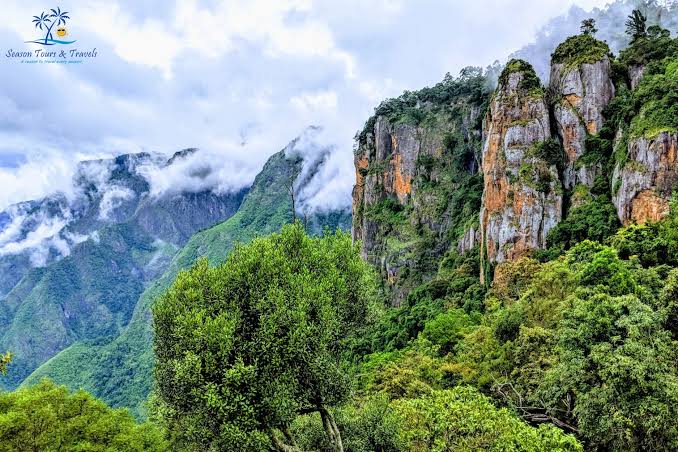
An agricultural carbon removal program applying finely crushed silicate rock across hill farmland, accelerating a natural geological process into a measurable climate intervention.
When silicate rock weathers, it consumes atmospheric carbon dioxide and converts it into dissolved bicarbonate — carbon that ultimately reaches the ocean and remains locked away on geological timescales. The reaction happens naturally over millennia. Crushing the rock to increase surface area and spreading it across warm, wet, biologically active soil compresses that timescale into years.
The Kodaikanal hills are unusually well suited: high rainfall, warm temperatures and active soils all accelerate weathering. For the farmers involved, the rock dust also raises soil pH on acidic hill soils and releases calcium, magnesium, potassium and silicon — an agronomic input that happens to remove carbon

Basis of estimate
Calculated at 1.5–3.5 tCO₂e per hectare per year, the published field range for basaltic application in warm humid conditions, with ~2.5 t/ha/yr as the central case. Actual rates depend on rock chemistry, particle size, rainfall and soil biology, and are confirmed by field measurement of cation flux and alkalinity export.
Area scope
7,000 acres
≈ 2,833 hectares
Estimated annual removal
~7,000 tCO₂e
modelled · range 4,200–9,900
Registry pathway

Puro.earth
ERW methodology
Rock application
~85,000 t
staged across programme, ~30 t/ha
Projects
Explore Similar Projects
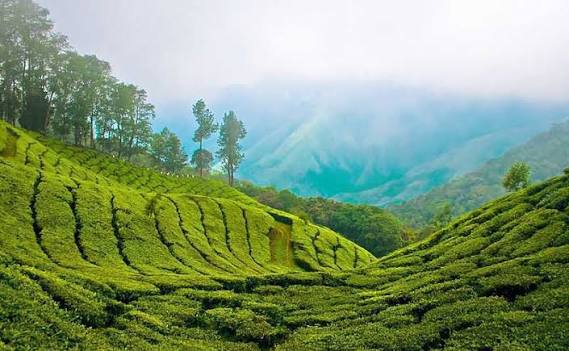
Industrial-Grade Silica from Rice Husk
Tamil Nadu — Client: Ecosil Limited
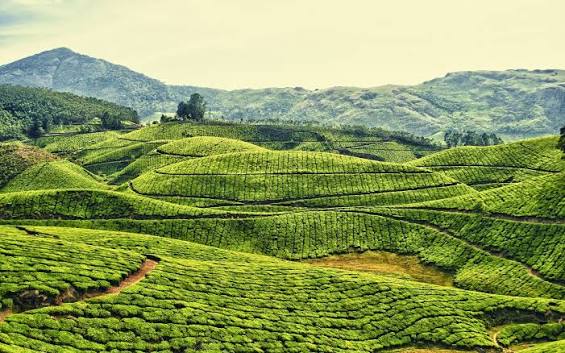
CAMPA Compensatory Reforestation Program
Vedasandur · Dindigul District — Tamil Nadu · Client: Tamil Nadu Tourism Development Corporation

Improved Watershed Management Program
Rengali Farming Basin · Brahmani River — Odisha
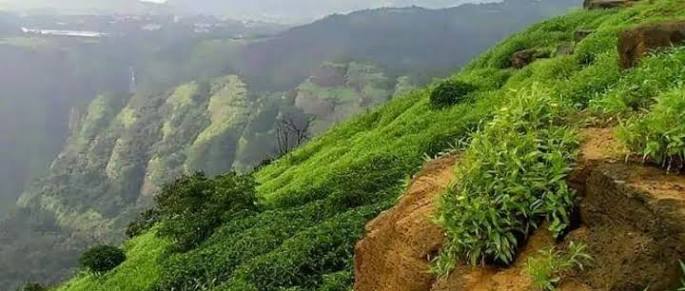
Anti-Shore Erosion & Mangrove Restoration Program
Puducherry — Union Territory, East Coast
Enhanced Rock Weathering Program
Spacious and sunlit apartment with modern interiors, located in the heart of the city. Ideal for families or working professionals.

Invasive Biomass to Biochar Carbon Removal Program
Palani · Dindigul District — Tamil Nadu

Wildfire Management & Improved Forest Management System
Theni Division · Meghamalai · Srivilliputhur · Anamalai Tiger Reserve · Kodaikanal WLS — Tamil Nadu