OXS-IND-TN-007
Tamil Nadu — Client: Ecosil Limited
An industrial program converting rice husk — one of agriculture's most abundant residues — into 99.9% pure amorphous silica, displacing a conventionally produced material with a heavy carbon footprint.
Rice husk is unusual among crop residues: the plant draws silicon from the soil and deposits it in the husk, which arrives at the mill already carrying 15–20% silica by weight. Most of it is burned in the open or dumped, releasing carbon and particulates and creating a disposal burden for every rice mill in the country.
Controlled combustion under managed temperature and atmosphere yields rice husk ash of high amorphous silica content, which is then leached and precipitated to industrial and speciality purity. The resulting silica serves the same applications as the conventional product — tyre and rubber reinforcement, coatings, adhesives, food and pharmaceutical grades, batteries and electronics.
Conventional precipitated silica is made by smelting quartz sand with soda ash at roughly 1,400°C, an energy-intensive route carrying a substantial carbon cost per tonne. The rice husk route starts from a biogenic residue and generates much of its own process heat from that same feedstock, so the emissions intensity falls sharply while a waste stream becomes a revenue stream for the mills supplying it.

Tyre & rubber reinforcement
primary
Coatings & adhesives
primary
Food & pharmaceutical grade
speciality
Batteries & electronics
speciality
Product purity
99.9%
amorphous silica, industrial grade
Annual output
~5,000 t
silica per year at design capacity
Emissions avoided

~10,000 tCO₂e
per year · range 7,500–12,500
Husk processed
~30,000 t
rice husk residue per year
Projects
Explore Similar Projects
Industrial-Grade Silica from Rice Husk
Tamil Nadu — Client: Ecosil Limited
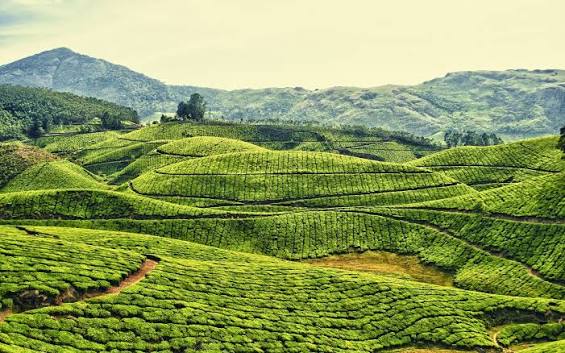
CAMPA Compensatory Reforestation Program
Vedasandur · Dindigul District — Tamil Nadu · Client: Tamil Nadu Tourism Development Corporation

Improved Watershed Management Program
Rengali Farming Basin · Brahmani River — Odisha
Anti-Shore Erosion & Mangrove Restoration Program
Puducherry — Union Territory, East Coast
Enhanced Rock Weathering Program
Spacious and sunlit apartment with modern interiors, located in the heart of the city. Ideal for families or working professionals.

Invasive Biomass to Biochar Carbon Removal Program
Palani · Dindigul District — Tamil Nadu

Wildfire Management & Improved Forest Management System
Theni Division · Meghamalai · Srivilliputhur · Anamalai Tiger Reserve · Kodaikanal WLS — Tamil Nadu